
Gas appliances are built to last, and most of them do their job reliably for years without any visible sign of trouble. But reliable-looking and well-maintained are not the same thing. A gas heater that fires up every morning in winter, a hot water unit that delivers consistent temperature year-round, or a cooktop that lights on the first try can all be developing internal faults that a qualified service will identify and address before they become a safety issue or a breakdown.
Regular gas appliance servicing is one of the most cost-effective things a Melbourne homeowner can do to protect their household’s safety, extend the life of their appliances, and maintain efficient energy consumption.
What Does Gas Appliance Servicing Involve?
The specific scope of a gas appliance service varies depending on the appliance type, but a professional service by a licensed gas fitter typically includes the following elements across all appliance categories.
Cleaning combustion components: The burners, heat exchangers, and ignition components in gas appliances accumulate dust, carbon deposits, and debris over time. Cleaning these components restores correct combustion, reduces the risk of incomplete burning, and improves energy efficiency.
Inspecting and testing flues and ventilation: The gas fitter checks that flues are properly connected, clear of obstructions such as bird nests or debris, and drawing combustion gases out of the property effectively. Flue problems are a primary source of carbon monoxide risk.
Checking gas pressure: Correct operating pressure is essential for safe and efficient appliance operation. A gas fitter checks that the appliance is receiving gas at the correct pressure and that the pressure regulator, where present, is functioning properly.
Testing ignition and controls: All ignition systems, thermostats, safety valves, and control mechanisms are tested to confirm they are operating correctly and safely.
Inspecting for wear and component deterioration: The gas fitter inspects the condition of all internal components and advises whether any parts are approaching end of service life and should be replaced proactively.
Pressure-testing the gas connection: The gas supply connection to the appliance is pressure-tested to confirm there are no leaks at the appliance itself or at its connection to the gas supply.
How Often Should Each Appliance Be Serviced?
Service frequency recommendations vary by appliance type and manufacturer, but the following represents practical guidance for typical western suburbs households.
Gas heaters: Annual servicing is recommended for ducted gas heating systems and for unflued gas heaters, given their direct impact on indoor air quality. Flued gas heaters are typically serviced every one to two years. For households with members who have respiratory conditions, annual servicing of all gas heating appliances is strongly advised.
Gas hot water systems: Storage gas hot water systems benefit from a service every three to five years, which should include anode replacement to protect the tank from internal corrosion, in addition to the standard combustion and flue checks. Continuous flow systems generally require servicing every three to five years as well, with filter cleaning and heat exchanger inspection as key components.
Gas cooktops and ovens: Most manufacturers recommend a service every two to three years for residential gas cooktops and ovens. This is particularly relevant for frequently used appliances in family homes.
Gas BBQs (permanently connected): Permanently connected outdoor gas BBQs benefit from an annual clean and inspection of burners and connections, particularly at the start of the outdoor cooking season.
Signs Your Gas Appliance Needs Attention Now
Between regular service intervals, watch for these signs that indicate a gas appliance may need immediate attention rather than waiting for the next scheduled service.
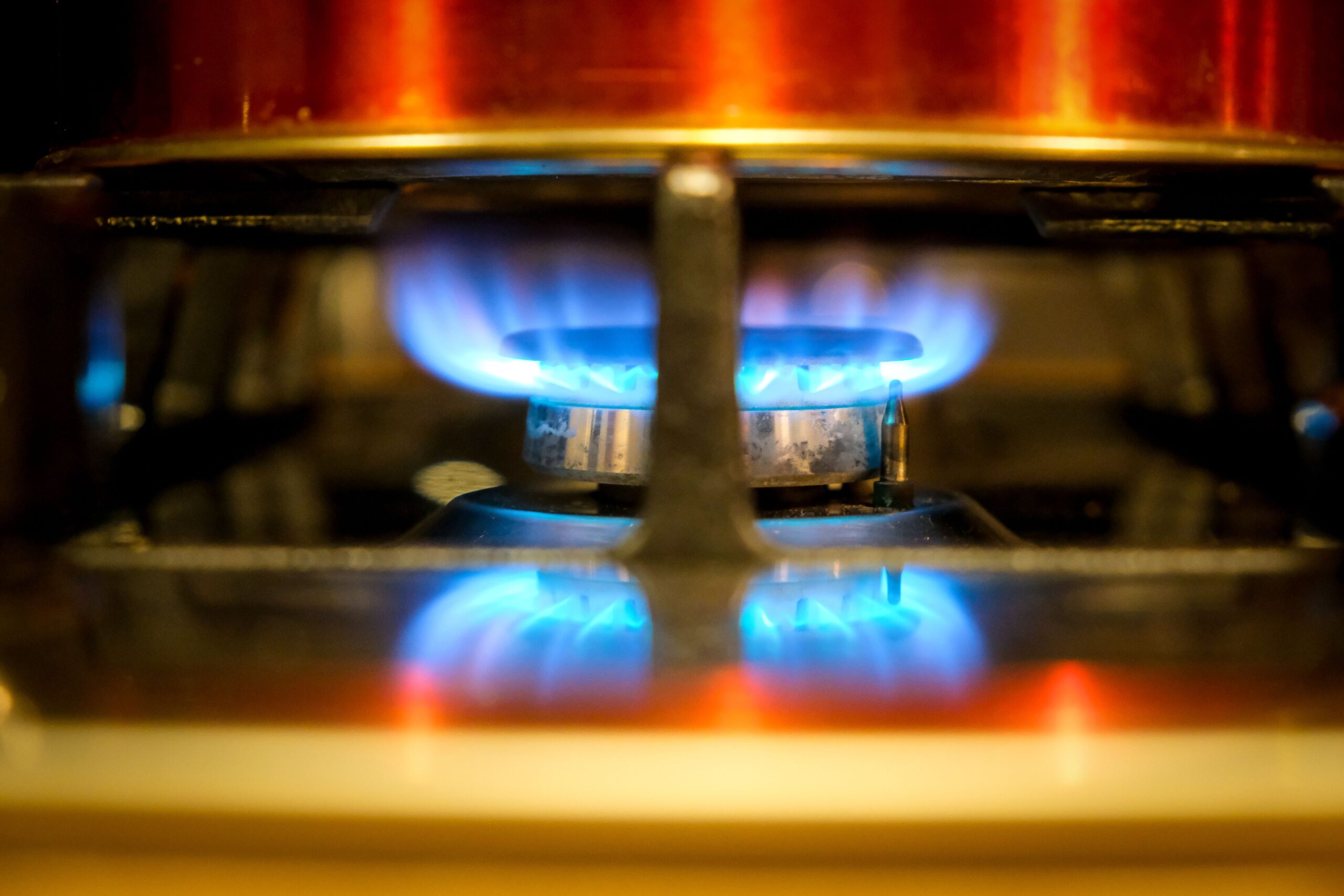
● Yellow or orange flames instead of clean blue flames on any gas appliance
● Pilot light that repeatedly goes out or is difficult to relight
● Unusual smells from the appliance when it is running, particularly a gas smell or a burning smell
● Appliance that takes longer than usual to heat up or is producing inconsistent output
● Unexplained increases in gas bills not explained by changes in usage
● Condensation, soot marks, or discolouration near the appliance or around the flue outlet
● Any household member experiencing headaches, nausea, or dizziness that clears when they leave the home